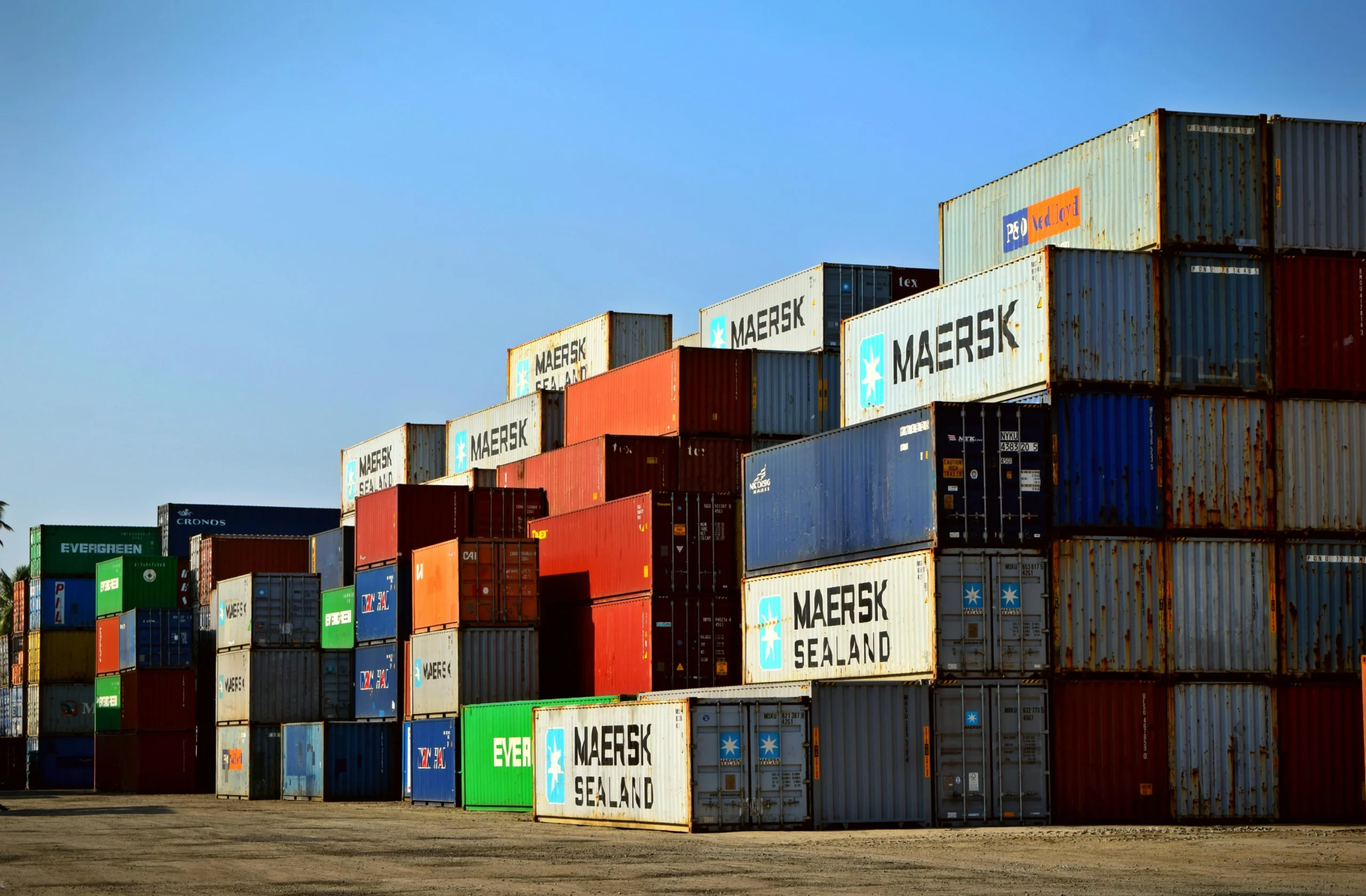
Zoll-Compliance in den USA: Neue Risiken für Importeure [in englischer Sprache]
DOJ verschärft die Durchsetzung

On Sept. 18, President Donald Trump signed into law the Lindsey O. Graham Sanctioning Russia and Iran Act of 2026 (the Graham Act), which puts forward a comprehensive package of statutory sanctions and trade restrictions directed against Russia and persons engaged in activity with Russia. The Graham Act also extends the Iran Sanctions Act of 1996 through 2031.
The Graham Act notably creates significant new restrictions on business activity connected to the Russian Federation, including through the application of new tariffs, and codifies a substantial portion of the executive order-based Russia sanctions regime into statute. For businesses, the new sanctions and tariff measures may present the most immediate impact. However, the codification into law of many sanctions measures that previously existed only under executive orders raises a critical distinction for businesses. Executive order-based sanctions can be lifted by any sitting president with a stroke of the pen, but statutory sanctions require an act of Congress to be removed.
Under the Graham Act, termination of sanctions requires a signed peace agreement accepted by Ukraine, certification to Congress, and clearing a 30-day congressional review period. This means that businesses should plan on these restrictions being durable, long-term features of the commercial landscape, not temporary measures that may be reversed in the near term.
The Graham Act’s sanctions provisions sunset five years after enactment unless renewed, except for the Iran Sanctions Act extension, which runs through 2031.
Below we highlight the sanctions measures taken in the Graham Act that will have practical implications for businesses. Part 1 addresses measures that are new. Part 2 covers measures that codify existing executive order-based sanctions, making them significantly more durable.
The following provisions create authorities or obligations that go beyond what existed under the pre-enactment executive order-based sanctions and present new compliance challenges for businesses.
The Graham Act authorizes duties of up to 100% on all goods imported into the United States from any country that is among the five largest purchasers of Russian crude oil or natural gas, or among the top five countries facilitating Russian oil sanctions evasion. These duties are imposed on a countrywide basis, meaning all goods from a designated country are affected, not just energy-related imports. The president must make initial determinations within 30 days of enactment and update them every 180 days.
Companies with supply chains running through India, China, Turkey, or other major purchasers of Russian energy face potential tariff exposure on all imports from those countries, regardless of whether the specific goods have any connection to Russia. Procurement, sourcing, and pricing strategies may need to account for duty rates that could change every six months.
The Graham Act requires duties of up to 500% on all goods imported from Russia, including oil, natural gas, petroleum products, coal, and coal products. These duties are additive — they stack on top of any other applicable duties, including antidumping, countervailing, Section 232, and Section 301 duties.
Any residual trade in Russian-origin goods entering the United States is effectively eliminated at these tariff levels. Businesses importing commodities should confirm they have no Russian-origin inputs in their supply chain.
The Graham Act imposes several new restrictions on the financial sector. These include:
Together, these measures require heightened vigilance by financial institutions and investment managers in order to remain compliant with these new statutory sanctions.
The following provisions largely replicate measures that already existed under executive authority but convert them to statutory mandates. While the substantive obligations for businesses may not change immediately, the codification makes these sanctions significantly more durable and difficult to unwind.
The Graham Act mandates blocking of the property and visa ineligibility of over two dozen named categories of Russian officials. Most of these individuals were already designated on the Office of Foreign Assets Control’s (OFAC) Specially Designated National (SDN) List under executive orders.
The Graham Act codifies and expands prior sanctions on foreign persons who provide specific defense-industrial goods to Russia. It also mandates sanctions against Russian oligarchs who have „not demonstrated opposition“ to the war in Ukraine.
OFAC had been designating shadow fleet vessels under existing authority. The Graham Act creates a statutory framework with enumerated criteria and allows the use of U.K./E.U. designations as prima facie evidence.
The Graham Act codifies the blocking sanctions on the Central Bank of Russia, Sberbank, VTB Bank, Gazprombank, and all Russian government-owned financial institutions and adds CAATSA-menu sanctions and account restrictions. Secondary sanctions must be imposed on foreign financial institutions that engage in significant transactions with designated Russian banks.
Executive orders already authorized blocking of Russian government-affiliated entities. The Graham Act codifies this with a mandatory 180-day review cycle.
Executive Order 14071 prohibited new investment in the Russian Federation. The Graham Act codifies and expands this to include facilitation of foreign-person investment.
The Graham Act’s energy sector investment prohibition and import-side restrictions largely track earlier executive orders and OFAC determinations. But notably, the Graham Act imposes new secondary sanctions on foreign persons who facilitate Russian energy production.
Prior executive orders restricted U.S. person purchases of Russian sovereign debt. The Graham Act converts this to a statutory mandate.
Businesses should treat the Graham Act’s restrictions as durable, long-term features of the commercial landscape. As an immediate priority, companies should map their supply chains against the tariff provisions (§ 113), which create tariff risk on all imports from countries that may be major purchasers of Russian energy, regardless of whether the specific goods have any connection to Russia. U.S. companies should also assess whether their non-U.S. banking partners have exposure to designated Russian banks, given the mandatory secondary sanctions on foreign financial institutions under § 103.
In the longer term, the codification of previous executive order-based sanctions, combined with termination provisions requiring a Ukraine peace agreement and congressional review, means these measures cannot be unwound through executive action alone and may be more durable.
Die Informationen stammen von Barnes & Thornburg LLP. Für weitergehende Fragen stehen Ihnen Frau Dr. Pia Dorn, Herr Timo Rehbock und Herr Tim Van Hal zur Verfügung.
© 2026 Barnes & Thornburg LLP. All Rights Reserved. This page, and all information on it, is proprietary and the property of Barnes & Thornburg LLP. It may not be reproduced, in any form, without the express written consent of Barnes & Thornburg LLP.
This Barnes & Thornburg LLP publication should not be construed as legal advice or legal opinion on any specific facts or circumstances. The contents are intended for general informational purposes only, and you are urged to consult your own lawyer on any specific legal questions you may have concerning your situation.
DOJ verschärft die Durchsetzung